In a manufacturing plant, a technician reaches into a jammed conveyor belt. The machine isn’t running—so he assumes it’s safe. But no one secured the power source. A coworker restarts the line remotely. The result? Severe injury in seconds.
This scenario isn’t rare. According to OSHA, nearly 10% of serious accidents in industrial settings involve unexpected energization of machinery. Lockout tagout safety signs are not just visual aids—they’re critical components of an energy control program designed to prevent exactly this kind of harm.
These signs don’t just say "Danger." They communicate urgency, responsibility, and procedure. When properly used, they bridge the gap between policy and practice, turning abstract safety rules into visible, enforceable actions.
Let’s break down how lockout tagout safety signs function, where they’re required, and how to deploy them effectively across real-world environments.
Why Lockout Tagout Safety Signs Matter Beyond Compliance
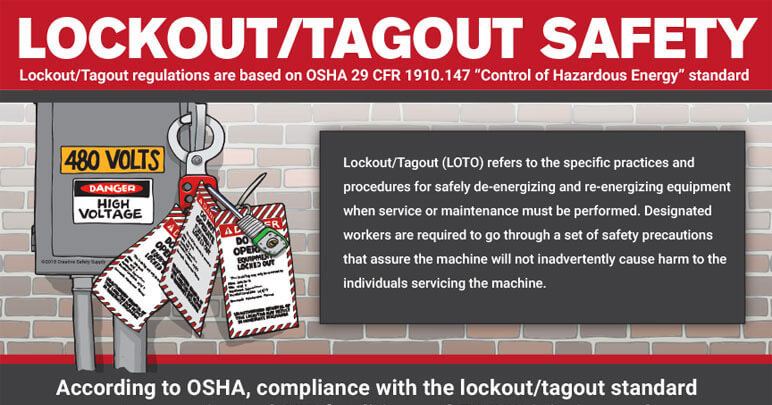
Lockout tagout (LOTO) safety signs serve two primary functions: warning and accountability. They are not optional décor—they fulfill specific roles in hazard communication and energy isolation.
A common misconception is that LOTO signs are interchangeable with general warning labels. They’re not. These signs mark active control points where energy sources have been isolated. They indicate that maintenance is underway and that re-energizing equipment is prohibited.
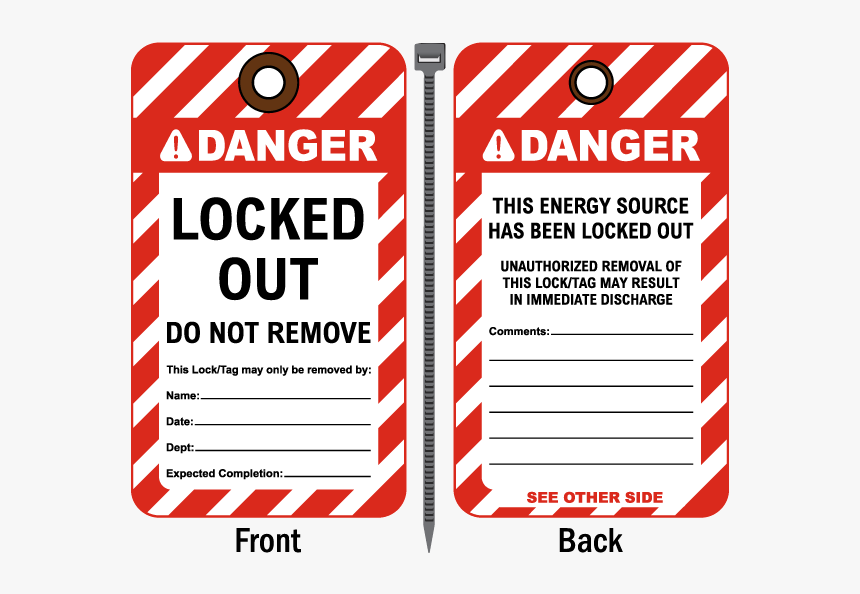
Consider this example: In a chemical processing facility, a valve must be serviced. The technician applies a lock to the main power disconnect and attaches a tagout sign listing their name, department, and expected completion time. That sign isn’t just informational—it’s a legal record. Anyone seeing it knows the equipment is under control and that bypassing the lockout violates safety protocol.
Without clear signage, even trained personnel may assume a machine is ready for operation. Miscommunication escalates risk. OSHA standard 1910.147 explicitly requires employers to establish procedures for identifying isolated energy sources—and signs are a vital part of that.
Types of Lockout Tagout Safety Signs and Their Uses
Not all LOTO signs serve the same purpose. Using the right type in the right context ensures clarity and reduces confusion during high-risk procedures.
#### Danger Tags These are the most common. Bright red with bold white lettering, danger tags indicate immediate hazard and strict prohibition. They are used when someone is actively working on equipment.
Example: A red tag with “DANGER – DO NOT OPERATE – UNDER MAINTENANCE” clearly signals that the equipment is unsafe to touch.
#### Warning Tags Yellow or orange tags indicate caution rather than immediate danger. These may be used during transitional phases—such as when a system is being prepared for lockout but not yet isolated.
Use case: A yellow tag saying “WARNING – ENERGY SOURCE TO BE LOCKED OUT” gives advance notice but doesn’t yet enforce prohibition.
#### Informational Signs These aren’t tags but fixed or semi-permanent signs near machinery. They outline LOTO procedures, list authorized personnel, or indicate lockout points.
Best practice: Post laminated step-by-step instructions next to a hydraulic press, showing exactly which valves and breakers must be secured.
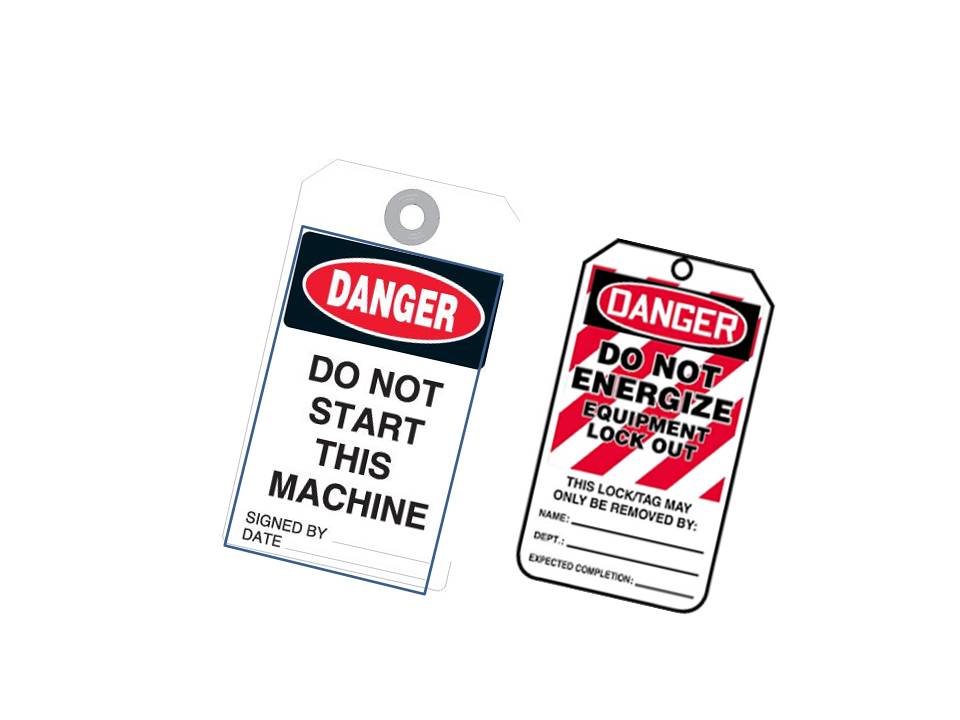
#### Out-of-Service Tags Used in facilities with mobile equipment (e.g., forklifts, aerial lifts), these tags indicate the machine is temporarily unusable. While not always part of a full LOTO, they can transition into one when repairs begin.
Real limitation: These tags are often ignored if not paired with physical locks. A “Do Not Use” tag on a forklift won’t stop someone in a rush unless enforcement is clear.
Placement and Visibility: Where LOTO Signs Must Be Located
A sign is only effective if it’s seen. Misplaced or obstructed signage defeats its purpose.
Key placement zones: - At all energy isolation points (circuit breakers, disconnect switches, valve handles) - Near machine control panels - On equipment access doors or hatches - At central lockout stations in multi-worker environments
One plant had a tragic incident when a maintenance worker locked out a motor control center, but the LOTO tag was placed inside the cabinet—out of sight. A shift supervisor reopened the panel, assumed it was safe, and re-energized the system.
Rule of thumb: If the sign isn’t visible from the operator’s normal approach path, it’s not placed correctly.
Use photoluminescent or reflective materials in low-light areas. In noisy environments, pair visual tags with audible or digital alerts where possible.
Also, consider workflow. In a busy production line, place signs at eye level and ensure they face primary access routes. Avoid clutter—over-tagging dilutes urgency.
Design Standards for Maximum Impact
OSHA doesn’t prescribe exact colors or fonts, but ANSI Z535.2 sets guidelines for effective safety signage. Adhering to these boosts recognition and reduces hesitation.
Color coding: - Red = Danger (immediate hazard) - Orange = Warning (potential hazard) - Yellow = Caution (attention needed) - Green = Safety instruction (e.g., emergency stop locations)
Text requirements: - Minimum 10-point font, larger for distant viewing - Use plain language: “DO NOT START” instead of “Energization Prohibited” - Include first name and last initial of the authorized employee - Add date and time of lockout
Material durability: - Use tear-resistant, weatherproof, and UV-stable materials - Plastic or laminated paper tags last longer than standard paper - Metal tags for high-abuse areas (e.g., foundries, outdoor units)
Avoid handwritten tags when possible. They’re prone to smudging, misreading, and look unprofessional—undermining compliance culture.
Common Mistakes That Undermine LOTO Sign Effectiveness
Even compliant systems fail when human factors are ignored. These recurring errors compromise safety:
1. Using tags without locks Tagout-only procedures are allowed under OSHA 1910.147(c)(7) but only when a lock isn’t feasible. Tags can be removed easily; locks create physical barriers. Relying solely on tags is risky.
Real case: A technician tagged a pump but didn’t lock the breaker. Someone pulled the tag during shift change, assuming it was outdated. The pump started mid-repair.
2. Failing to update or remove old tags Outdated tags create confusion. A “DO NOT OPERATE” tag from three days ago may be ignored as irrelevant. Worse, someone might assume the machine is still under repair and delay restarting production unnecessarily.
Solution: Implement a daily audit. Supervisors should verify active tags and remove expired ones during shift handoffs.

3. Inconsistent messaging If one department uses red tags with full names and another uses yellow tags with initials only, confusion spreads. Standardize across all units.
4. Ignoring multi-language needs In diverse workplaces, English-only signs may not reach all employees. Use pictograms or bilingual tags when necessary.
Tip: OSHA allows symbols (e.g., a hand over a switch) to reinforce meaning. Pair them with text for clarity.
Integrating LOTO Signs into Daily Operations
The best safety sign is useless without integration into routine workflows.
Start with training. Workers must know not only how to read signs but also what actions to take when they see one. Drill responses: If you see a lockout tag, do not remove it. Report it if you don’t recognize the name or if it appears damaged.
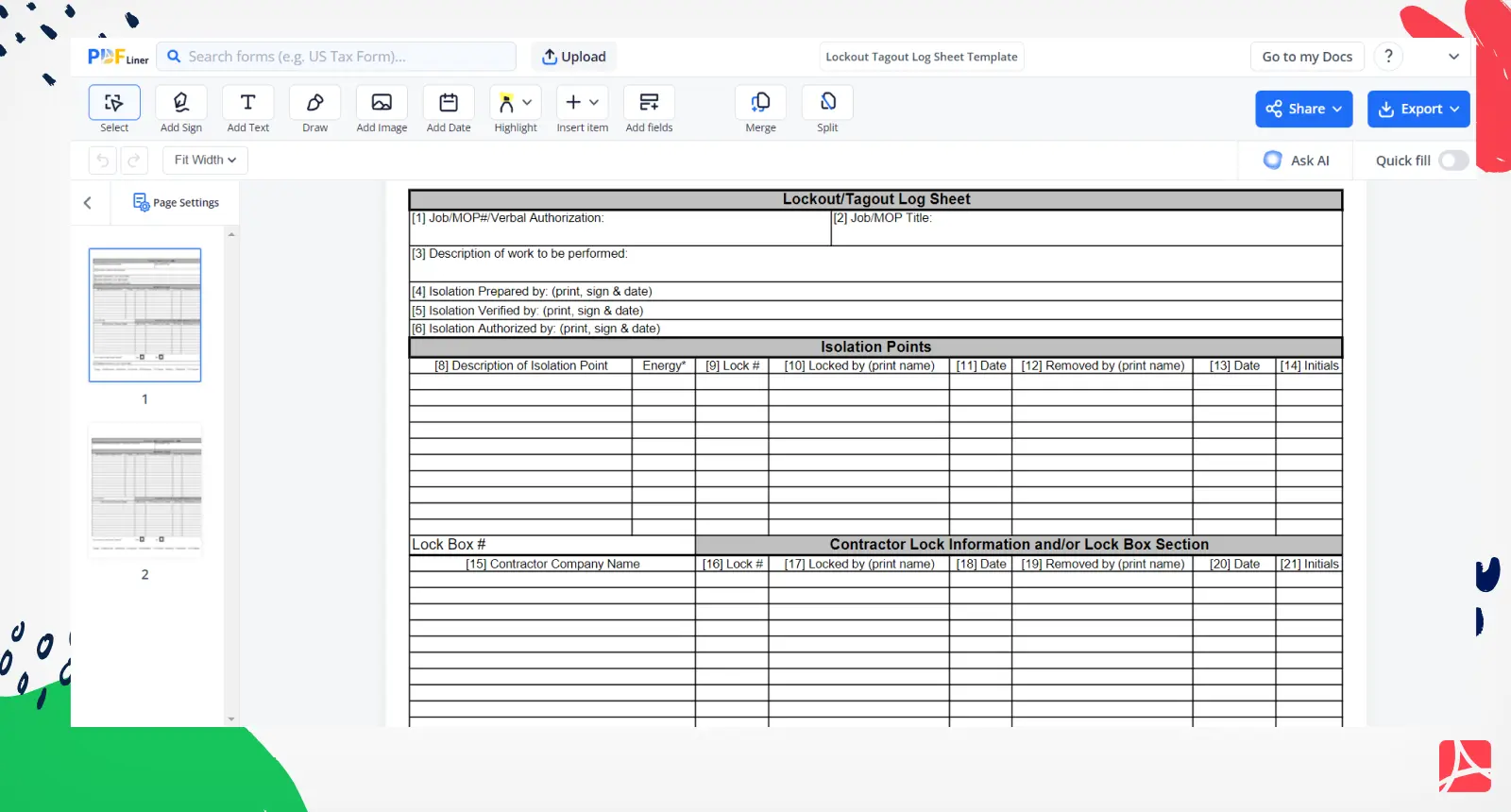
Use centralized lockout stations. These are physical boards with individual locks, tags, and sign-in logs. They encourage accountability and make audits easier.
In automated environments, consider digital enhancements: - QR codes on physical tags that link to digital LOTO logs - Mobile apps that time-stamp lockout events - Digital dashboards showing real-time equipment status
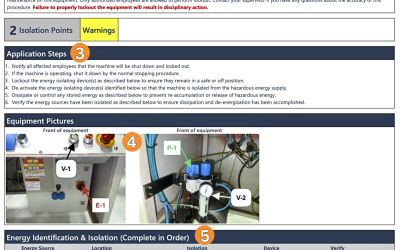
- Practical tip: Pair each LOTO sign with a checklist. For example, a sign on a boiler might reference a numbered list:
- Isolate main gas valve
- Lock electrical disconnect
- Verify zero energy
- Apply tag with name and time
This turns passive signage into active procedure enforcement.
Real-World Applications Across Industries
LOTO signs adapt to context. What works in a warehouse may not suit a hospital or lab.
Manufacturing: High-volume machinery requires standardized tags at every isolation point. Use color-coded locks (by department or shift) paired with matching tags.
Healthcare: MRI machines and sterilizers need lockout during maintenance. Tags here must be non-magnetic and chemical-resistant.
Construction: Portable equipment like compressors or welders often lack built-in lockout points. Use universal lockout hasps and attach signs to handles or fuel lines.
Utilities: Electrical substations use large, weatherproof signs with redundant locking points. Tags here may include permit numbers and supervisor approvals.
In each case, the sign must be durable, legible, and aligned with the risk level.
Choosing the Right LOTO Safety Sign System
Selecting materials and suppliers matters. Below are five reliable LOTO sign and tag systems used across compliant workplaces:
| Product | Best For | Key Features |
|---|---|---|
| Brady LOTO Station | Large facilities | Customizable lockout boards, digital logs, barcode tags |
| Grainger Safety Tags | General use | Affordable, wide selection, ANSI-compliant colors |
| Seton Vinyl Tags | Harsh environments | Chemical-resistant, tear-proof, thermal printing |
| Master Lock Lockout Kits | Mobile teams | Portable kits with tags, locks, and instructions |
| Justrite Magnetic Tags | Temporary lockouts | Attaches to metal surfaces, reusable, weather-resistant |
Choose based on your environment, workforce size, and frequency of maintenance.
Lockout tagout safety signs are more than regulatory requirements—they’re frontline defenses against preventable injury. When designed clearly, placed visibly, and used consistently, they transform safety culture from reactive to proactive.
Implement a standardized system. Train every employee to respect the tag. Audit regularly. And never assume that silence means safety.
Start today: Walk your facility. Find one machine without a proper LOTO sign. Fix it. Then keep going.
FAQ
What should you look for in Lockout Tagout Safety Signs: Your Guide to Compliance and Clarity? Focus on relevance, practical value, and how well the solution matches real user intent.
Is Lockout Tagout Safety Signs: Your Guide to Compliance and Clarity suitable for beginners? That depends on the workflow, but a clear step-by-step approach usually makes it easier to start.
How do you compare options around Lockout Tagout Safety Signs: Your Guide to Compliance and Clarity? Compare features, trust signals, limitations, pricing, and ease of implementation.
What mistakes should you avoid? Avoid generic choices, weak validation, and decisions based only on marketing claims.
What is the next best step? Shortlist the most relevant options, validate them quickly, and refine from real-world results.